A Question: Why the sudden rush into Africa?
Posted by Mozambique Resources Post on April 24, 2014
Posted in: Mozambique Mining Industry. Tagged: Africa, Europe, gas, Kenya, Mozambique, Obama, oil, resources,Russia, Tanzania, Uganda, USA. Leave a comment
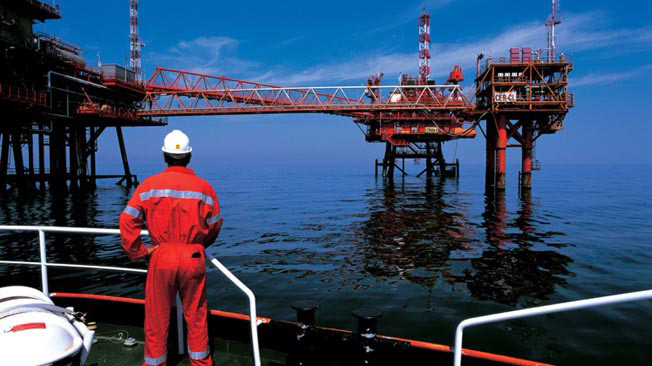
An Answer: It’s the oil!
Mozambique, Kenya, Libya, Uganda and Nigeria are thousands of miles removed from that swirl of European tension known as Ukraine, but as drama unfolds in Eastern Europe, their destinies could be closely aligned.
In essence, the more Russian President Vladimir Putin puts the grip on Russian gas prices, the more Western powers, from Nato to the US, feel squeezed and desperate enough to look for oil elsewhere. Africa fits a nice profile for that. Suddenly, there’s a new sense of urgency on the continent, with the US stepping up its military and economic engagement post-haste since Putin made his Crimean power grab.
Before Putin could move to checkmate the West on the geopolitical chess map, President Barack Obama moved a few pieces to the Motherland. It’s an interesting gamble, considering Africa has less than 10 per cent of proven global oil reserves. Yet, in the search for alternative sources of energy, the potential returns of intervention in Africa are fairly fast and enormous.
Where the Middle East, cradle of oil booms, is volatile and where Shale Country USA is still in its infancy, Africa presents a quick-fix solution for petroleum hungry Western countries that don’t have time for renewable-energy cars to fully penetrate their markets.
Oil-spilling BP can tell you all about it, “project[ing] Africa will experience the world’s fastest regional energy demand growth [with] combined oil and gas production in Africa between today and 2035.”
If BP has its eyes on Africa, best believe everyone else does. Within a month of Crimea, additional US “special forces” troops ended up in Uganda to augment a hundred already there in a hunt for war-lusting Lord’s Resistance Army leader Joseph Kony. And to top that, the Pentagon sent in four freshly minted V-22 Osprey tilt-rotor hybrids to show we mean business.
“Please note that the deployment of these aircraft and personnel does not signify a change in the nature of the US military advisory role in this effort. African Union-led regional forces remain in the lead, with US forces supporting and advising their efforts,” Daniel Travis, a US Embassy spokesman in Uganda, deadpanned several days ago.
But the sudden speed between Putin’s power act and the move of well-armed US troops to Uganda and elsewhere in Africa is more than just a nice humanitarian play. Critical strategic interests in Africa are suddenly on a front burner in the race for energy.
Uganda, is part of an emerging and fast-growth East Africa Federation that includes Kenya, Tanzania, Rwanda and Burundi. As a recent Stratfor analysis noted “[n]ew oil and gas exploration projects, along with the potential establishment of a manufacturing base in East Africa, have created an interest in pipeline projects to carry natural gas and crude oil to export markets or refineries.”
Renewed strategic positioning in Africa is, of course, nothing new. The George W. Bush administration was dropping $5 billion a year into HIV/AIDS and malaria-prevention programmes, essentially softening the landscape for the eventual expansion of Africom, the US military command for Africa.
Hence, it was no surprise to find American planes blasting holes in Libya, drone bases in far-flung places like Niger, Djibouti, Burkina Faso and South Sudan, and US intelligence supporting French troops in Mali. Folks like Moammar Qadhafi needed to get out of the way, and now it’s US naval ships stopping renegade Libyan oil tankers from sending black market fuel to North Korea.
The headline fight against rising Islamic terrorist tides in Africa is a good pitch story. But the lesser known — yet more important — story is the continental energy rush gradually unfolding in Africa. Western powers, already irritated by China’s aggressive entry into African markets — highlighted by billions of dollars in investment and a $200 million “gift” to build a shiny new African Union headquarters in Addis Ababa, Ethiopia — are stepping up their game before the rising Asian power dominates the whole thing.
That’s happened quite fast between slow increases in US troops on African soil to the presence of more than 2,000 French troops patrolling the war-torn Central African Republic. And just a few weeks ago, the EU nervously announced the commitment of an additional 1,000 troops, which struck many as odd, given Europe’s current preoccupation with Russian troops on its doorstep. Folks seem awfully pressed to stabilise that region, which neighbours Uganda and isn’t all that far away from Nigeria — another African country that accounts for five per cent of US oil imports.
In essence, Africa is becoming refrontiered, the next — but already charted — neocolonial play with subtle shades of humanitarianism and economic growth to make it look good. Make no mistake about it: there are real geopolitical intentions at work. Hunting down warlords and preventing Rwanda genocide redux is, of course, needed foreign policy common sense.
But these are belt-tightening times for governments and their militaries (including ours). No one’s investing in Africa just to get good PR and a UN shout-out.
—By arrangement with The Root-The Washington Post


